Guide Lanzarote
Five scenic drives across Lanzarote: volcanoes and hidden coves
North, volcanic parks, La Geria vineyards and Papagayo coves: five self-drive itineraries across Lanzarote with road tips and La Graciosa.
Contents
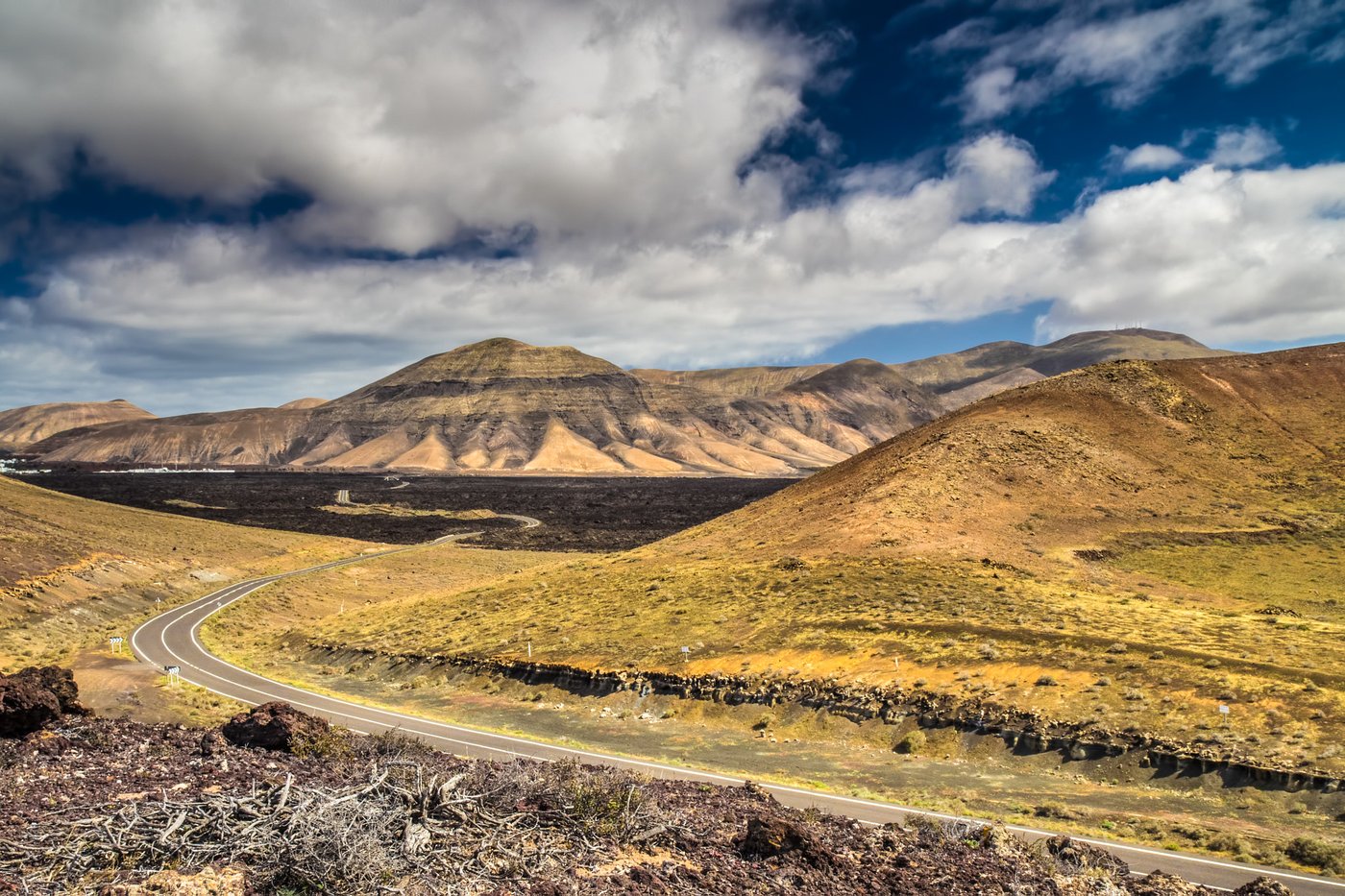
Lanzarote can be driven from tip to tip in just over an hour, but rushing across it misses the point. The island is an open-air masterclass in harmony between volcanic fury and low-rise whitewashed architecture with green and blue timber shutters, crater-planted vines and roads suspended above cliffs.
Rather than driving aimlessly between attractions, we have structured the island into five distinct driving days that group sights logically, avoid midday traffic and leave time for relaxed seafood lunches.
The five drives at a glance
Route 1: The artistic north and underground tubes
Lanzarote's northern tip is dominated by Monte Corona volcano, whose eruption 20,000 years ago hollowed out one of the longest volcanic lava tubes on Earth, stretching 6 kilometres out beneath the ocean.
- Cueva de los Verdes: a 50-minute guided walk through a lit lava tunnel designed by artist Jesús Soto, ending at an optical illusion secret.
- Jameos del Agua: a collapsed cavern where César Manrique created an underground concert hall, a turquoise swimming pool and a salt lake home to blind albino crabs.
- Mirador del Río: disguised inside the 470-metre Famara cliff face with dizzying views overlooking La Graciosa and the Chinijo archipelago.
Route 2: Volcanoes and the dramatic west coast
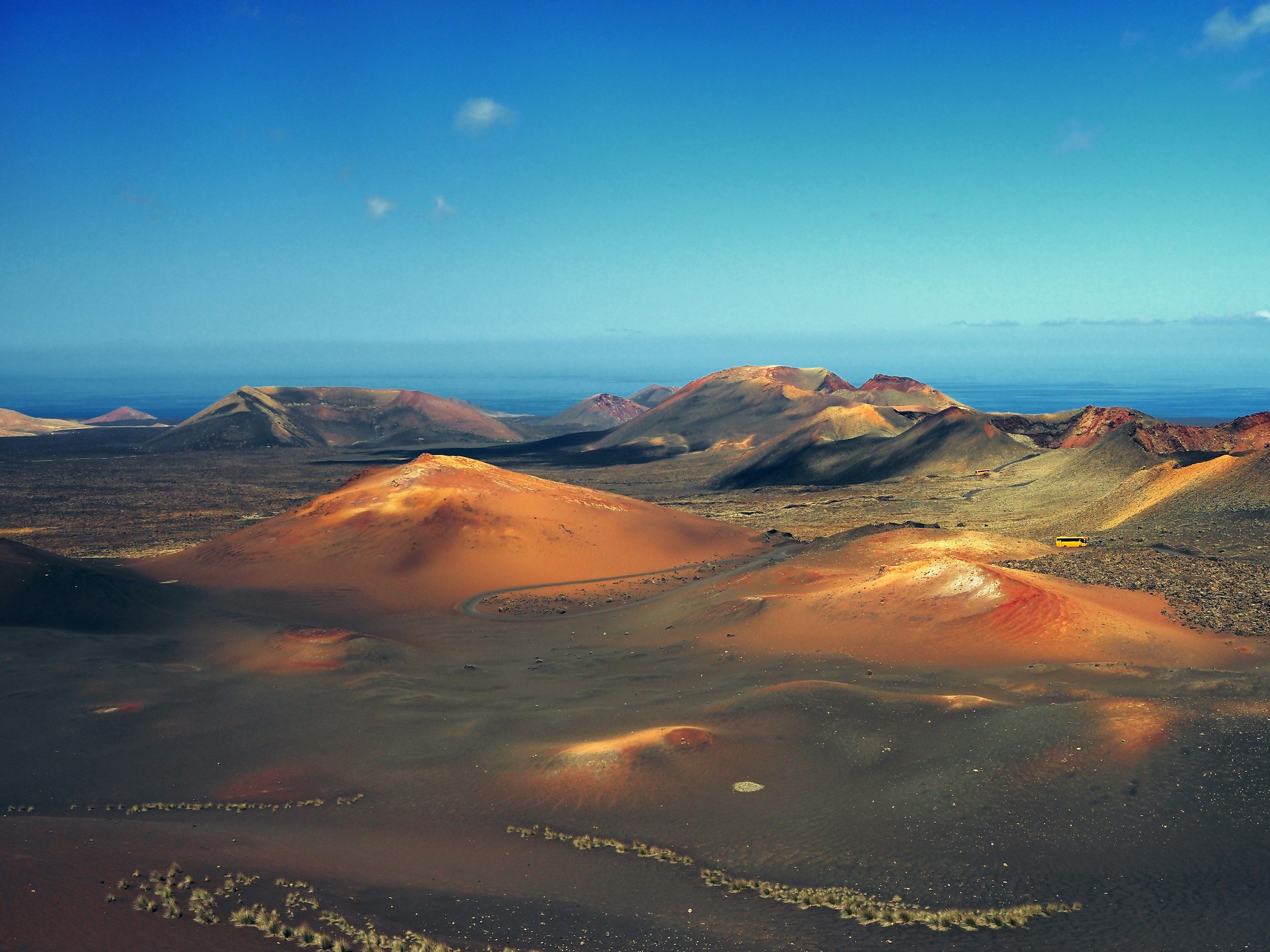
This itinerary traces the fiery 18th-century lava fields where molten rock met the Atlantic ocean:
- Timanfaya National Park: arrive early (09:00) to take the Volcanoes Bus Tour without queueing.
- El Charco de los Clicos (El Golfo): a bright emerald-green seawater lagoon nestled inside a partially collapsed volcanic crater on a black pebble beach.
- Los Hervideros: jagged basalt blowholes where heavy Atlantic swell churns and roars through sea caves.
- Salinas de Janubio: the largest working sea-salt pans in the Canaries, reflecting pink and silver hues at dusk.
Route 3: La Geria wine country and central villages
Following the 1730 eruptions, local farmers discovered that black volcanic lapilli ('picón') acted as a natural sponge, trapping overnight dew and preventing soil moisture evaporation. This created La Geria: thousands of conical craters dug by hand into ash fields and sheltered with semi-circular stone walls ('zocos').
- Historic wineries: taste crisp Malvasía Volcánica wines at Bodegas El Grifo (established 1775) or Bodega Rubicón.
- Teguise: the island's cobbled old capital, brimming with 16th-century colonial mansions and Sunday street markets.
- Caleta de Famara: a laid-back surfing enclave with sandy unpaved streets set beneath towering mountain cliffs.
Route 4: The pristine south and Papagayo beaches
At the southernmost point, Los Ajaches Natural Monument hides the island's most celebrated golden coves: Playa de Papagayo, Playa Mujeres and Caleta del Congrio. Access by car follows an unpaved dirt track (€3 entrance fee per car).
Catamaran and boat trips to Papagayo coves


Route 5: Day trip to car-free La Graciosa
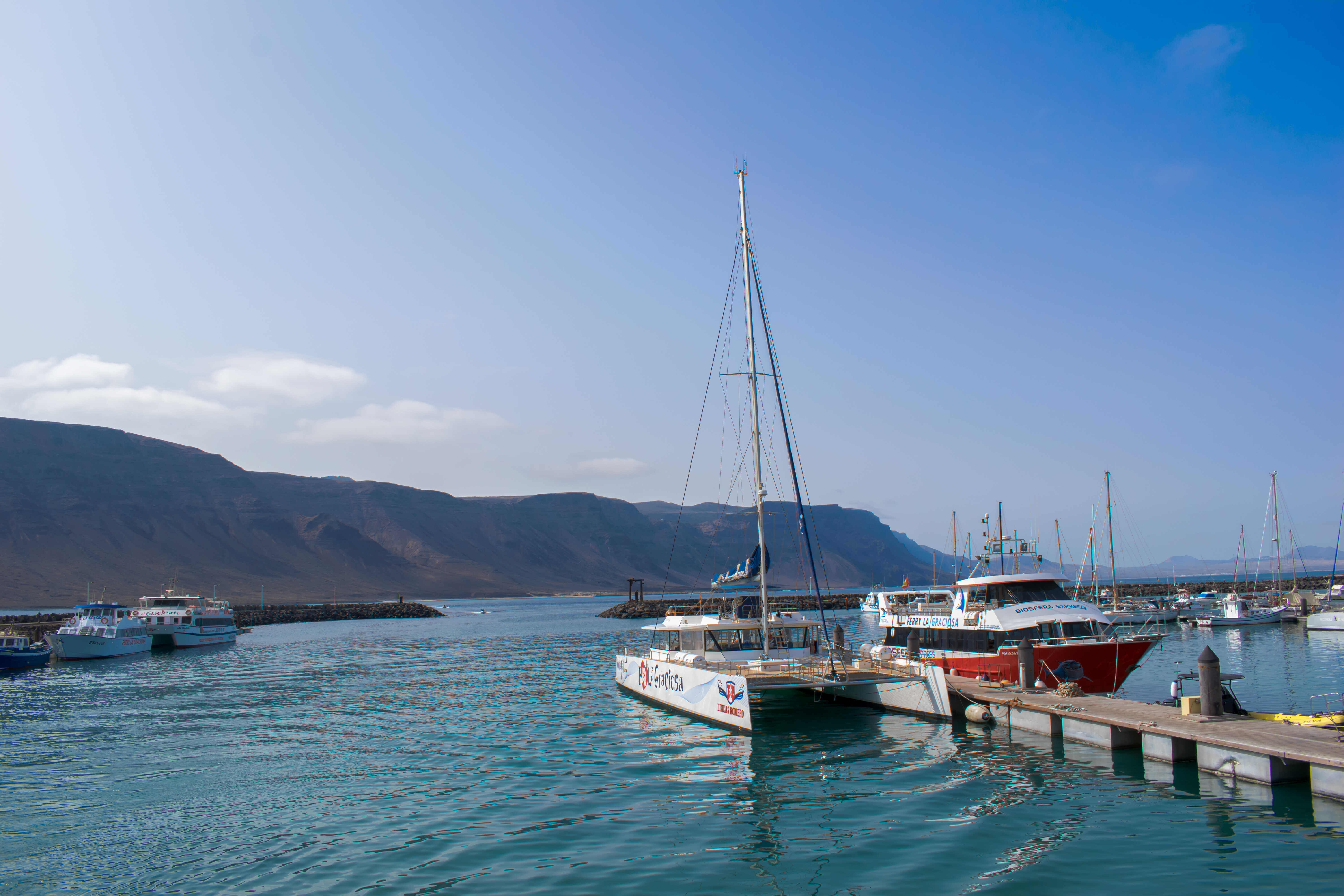
Park in Órzola harbour (northern Lanzarote) and catch the 25-minute passenger ferry across El Río channel. La Graciosa has no paved roads or private cars: only sandy village lanes in Caleta de Sebo, dirt bicycle paths and golden beaches like Playa de las Conchas.
Boat and catamaran excursions to La Graciosa
Things to do on the island
Experiences in Lanzarote
Plans on the island, with duration and price up front.
See all 64 experiences in Lanzarote