Guide Lanzarote
La Geria: volcanic vineyards & wine cellars
Guide to La Geria wine region: volcanic ash vineyards, semicircular stone walls, Malvasía grapes and historic local wineries.
Contents
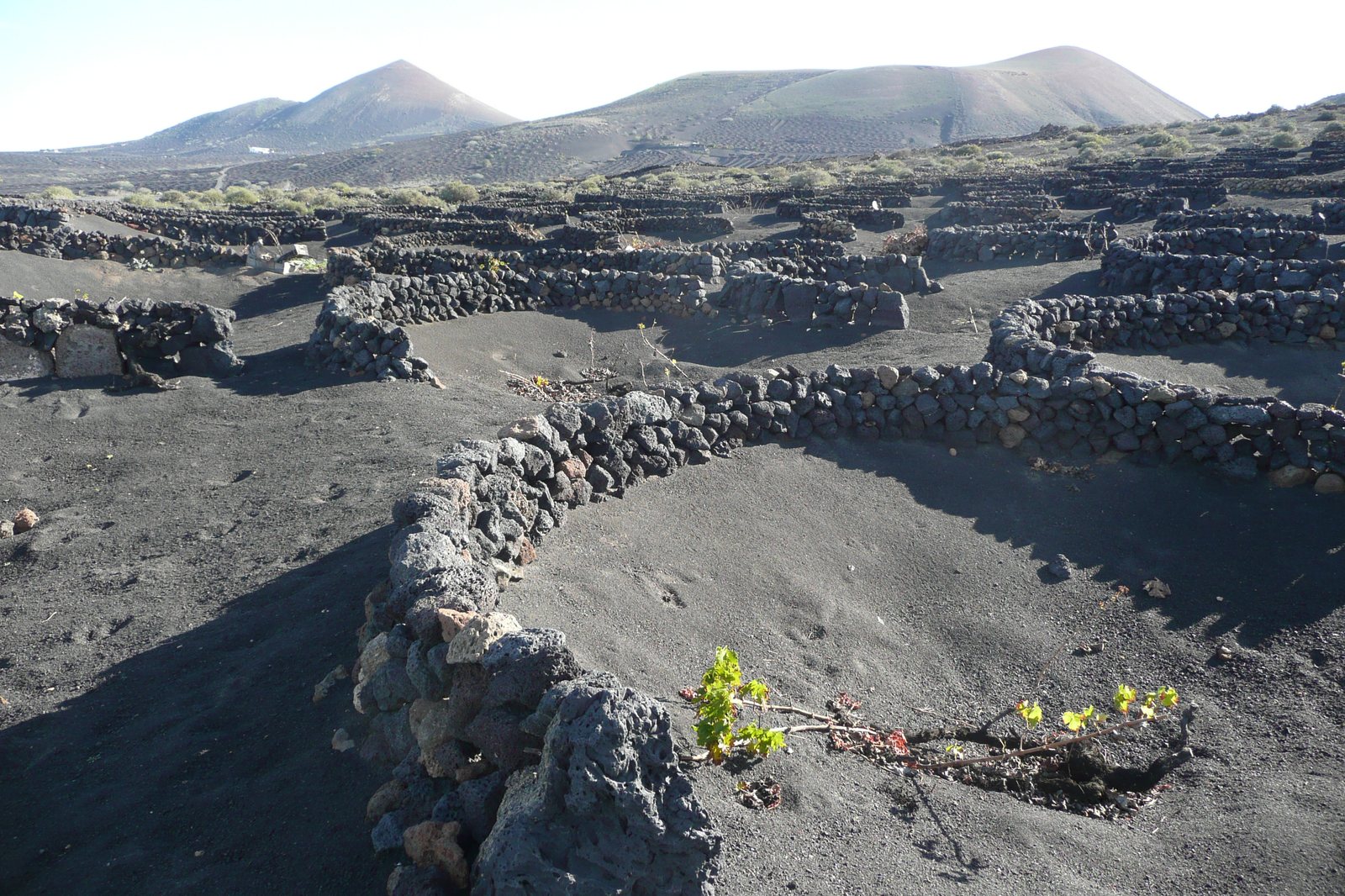
The Protected Landscape of La Geria is one of the most astonishing agricultural marvels in the world. Spanning over 5,200 hectares in the centre of Lanzarote, this sea of jet-black volcanic ash pitted with thousands of semicircular stone hollows showcases the resilience of islanders who turned volcanic destruction into a world-class wine region.
Between 1730 and 1736, the eruptions of Timanfaya buried over a third of Lanzarote under deep layers of volcanic ash and lava, destroying the island's most fertile cereal valleys. Faced with starvation, farmers discovered that digging cone-shaped pits down through the black gravel (*picón*) to reach buried fertile soil, and encircling each vine with a curved basalt stone wall, allowed vines to flourish in a near-rainless climate, producing grapes of remarkable intensity.
La Geria wine region key facts
The agricultural miracle of picón and zocos
Viticulture in La Geria defies modern industrial farming and is still practiced completely by hand:
- Moisture sponge properties of picón: Porous volcanic gravel acts as a thermal condenser. At night it absorbs dew carried by ocean breezes and filters moisture down to deep roots, while shielding clay subsoil from daytime evaporation under blazing sun.
- Curved stone windbreaks (zocos): Semicircular dry-stone walls of basalt rock built facing windward. Their sole purpose is deflecting fierce trade winds that would otherwise strip leaves and break fragile grape shoots.
- Heroic unmechanised harvest: The steep conical hollows prevent tractor or machine access. Harvest takes place entirely by hand in late July and August, carrying grape baskets on donkeys or camels.
Malvasía Volcánica: crisp Atlantic minerality
While varieties like listán negro and moscatel are also grown, the undisputed star is Malvasía Volcánica. This indigenous white grape yields crisp, aromatic dry and sweet wines with brilliant straw-yellow hues, lively tropical perfumes and an unmistakable saline minerality derived straight from volcanic ash.
Historic wineries route along the LZ-30
-
Bodegas El Grifo
The oldest operating winery in the Canaries and among the ten oldest in Spain. Preserves 18th-century wine presses and century-old pre-phylloxera vines with guided museum tastings.
-
Bodega La Geria
Located in the heart of the valley directly opposite National Park lava fields. Renowned for its traditional tapas bar and crisp dry Malvasía wines.
-
Bodegas Rubicón
Housed in a Canarian country manor facing the Chapel of La Caridad, which miraculously survived the Timanfaya eruptions when lava flows parted around it.
Guided tours across Lanzarote

Visiting tips and driving advice
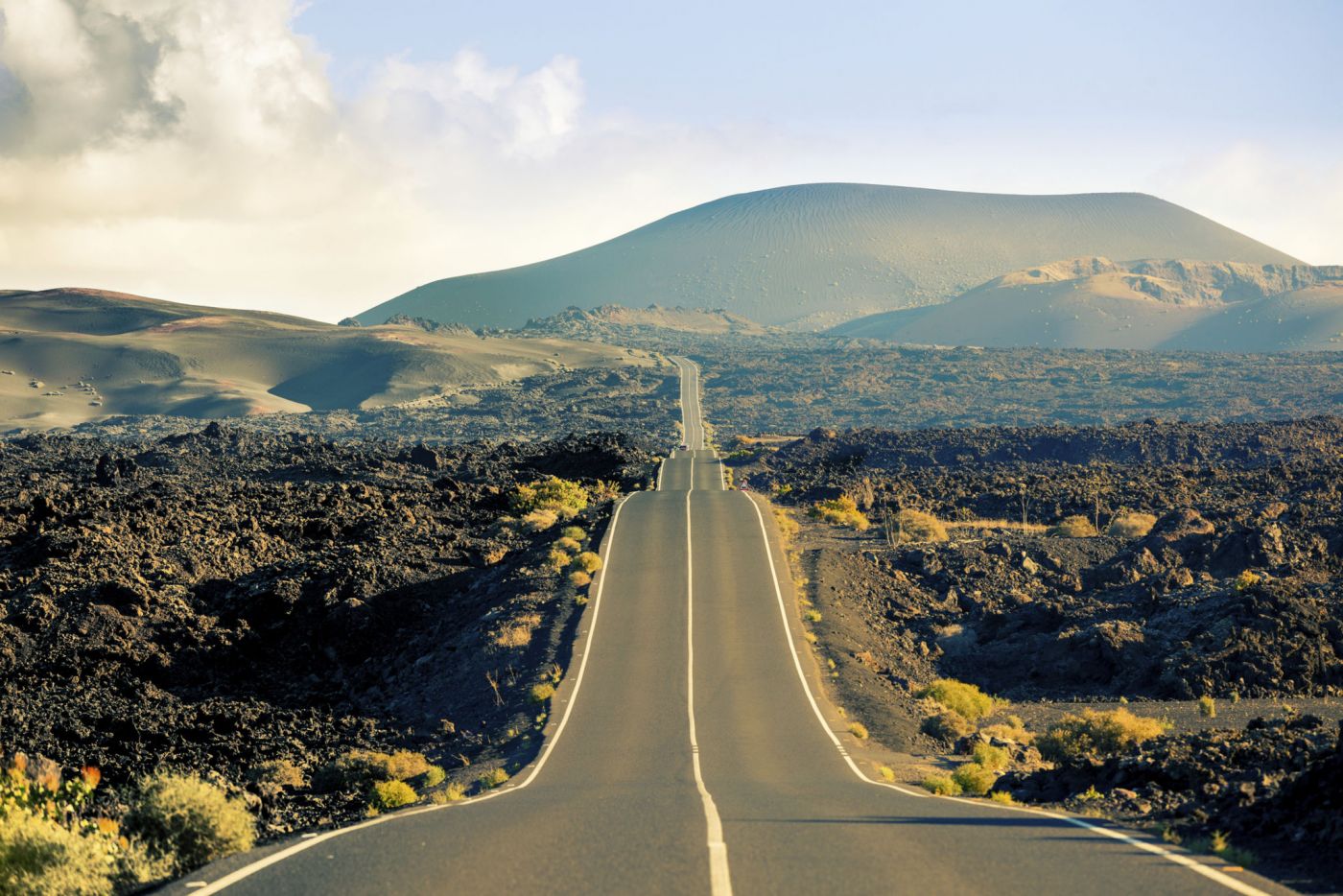
- Driving along the LZ-30: The road is narrow with gentle bends and lacks hard shoulders. Drive at steady speeds and watch carefully for cyclists and crossing winery visitors.
- Respect the vines: Never step over stone walls or climb into volcanic ash hollows for photos. Footsteps compact loose picón and crush sensitive surface roots.
- Wine tasting logistics: If you plan on tasting wine at multiple cellars, designate a sober driver or join an organised day tour with hotel transfers.
- Opening hours: Tasting rooms generally open from 10:00 AM to 6:00 PM; late afternoon golden hour (around 5:00 PM) casts long shadows across the stone circles, creating the finest photography.
Things to do on the island
Experiences in Lanzarote
Plans on the island, with duration and price up front.
See all 72 experiences in Lanzarote