Guide Gran Canaria
Things to do in Gran Canaria
Nature, beaches, Las Palmas, pre-Hispanic sites and food: a guide to build your trip, not another must-see list.
Contents
In a circle barely 50 kilometres across you get desert dunes, pine forest at almost 2,000 metres, a capital of 380,000 people and a beach for every kind of traveller. The hard part is choosing. This guide sorts the island by type of day, with the practical detail most «must-see» lists skip.
- When to go
- All year; the south is almost always sunny
- How long
- 5 to 7 days
- Where to stay
- The south or Las Palmas
- Getting around
- Hire car or bus
Nature and viewpoints
Hike up Roque Nublo
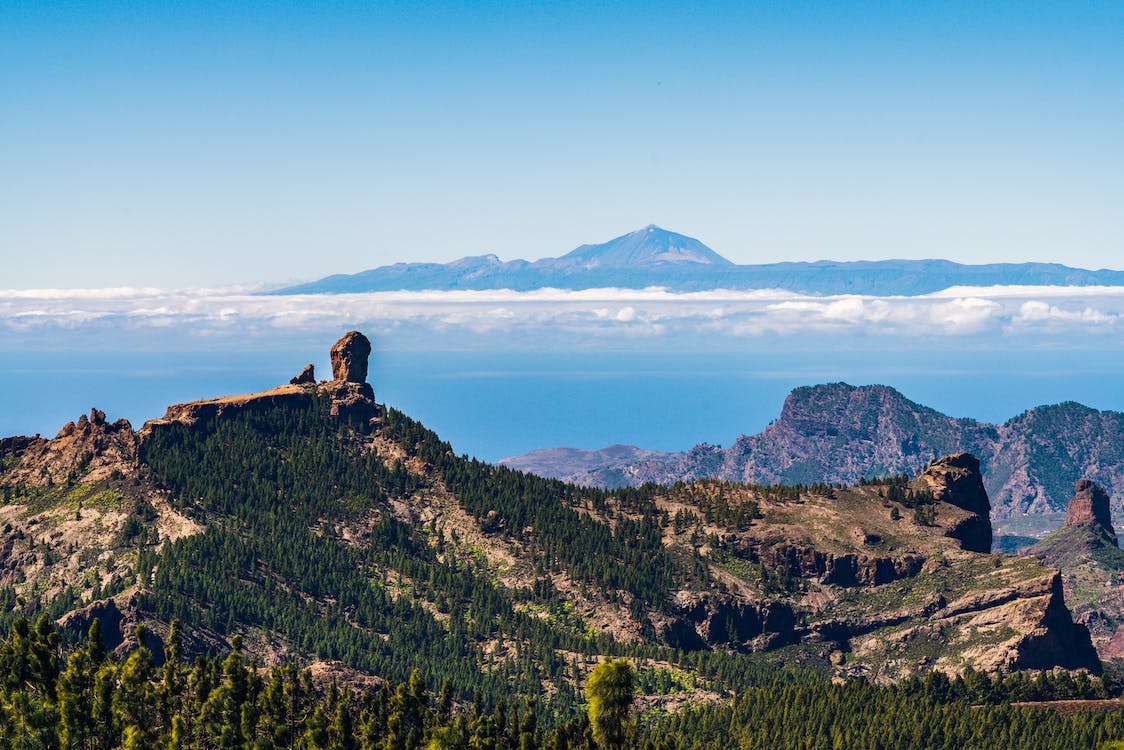
The island’s symbol: an 80-metre monolith crowning the summit at 1,813 metres, part of the Risco Caído and the Sacred Mountains UNESCO World Heritage landscape. The trail is short and easy, and on clear days Mount Teide seems to float above a sea of clouds.
Walk the Maspalomas dunes
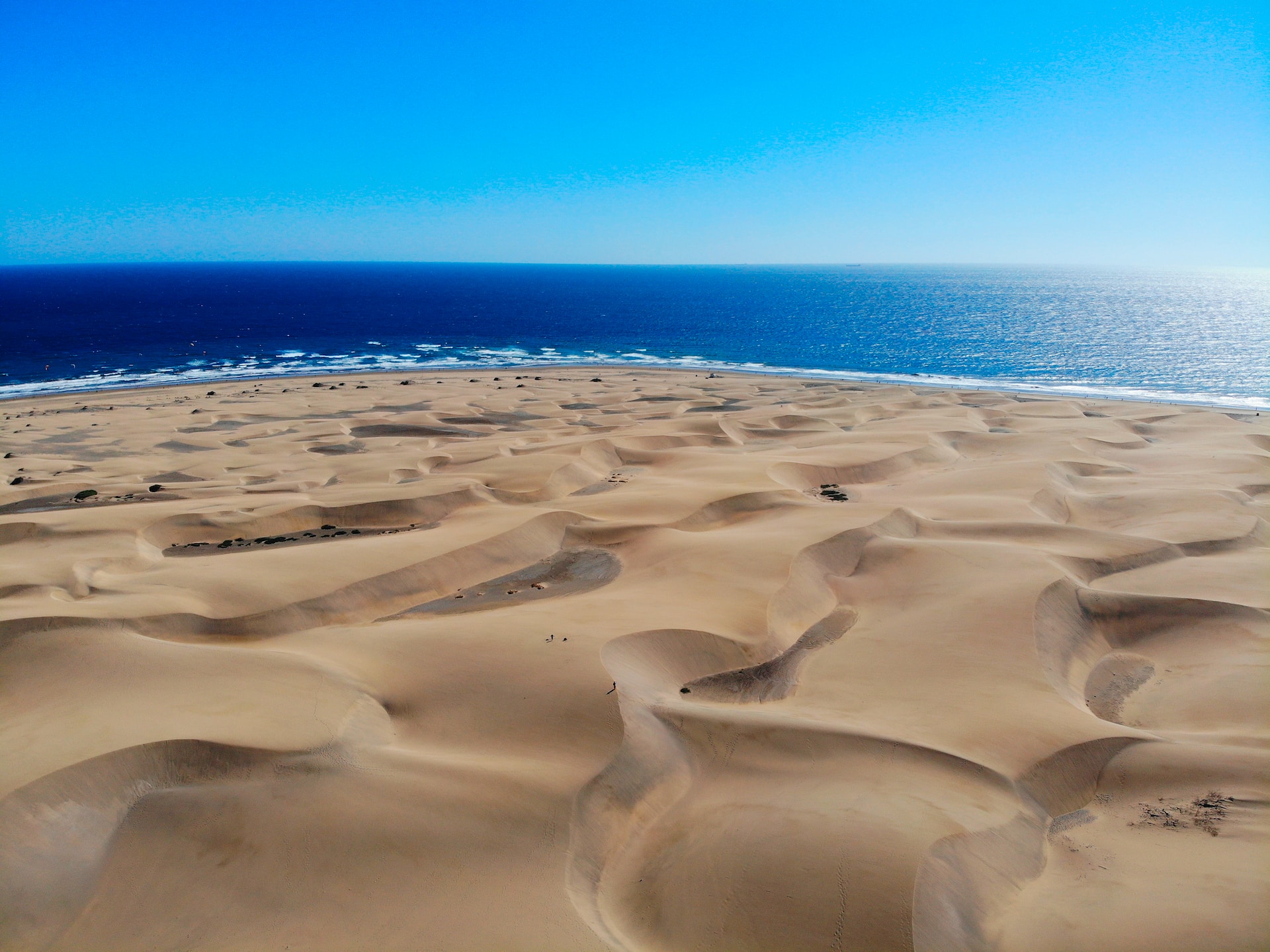
More than 400 hectares of sand by the sea, protected as a Special Nature Reserve. Enter from the signposted access points at Playa del Inglés or the lighthouse and stick to the marked trails: leaving them is forbidden and damages the plants that hold the dunes together. The best times are first thing in the morning and late afternoon, when the light sharpens the ridges and the sand isn’t scorching. Finish at the Charca de Maspalomas, a lagoon with birdlife next to the lighthouse.
Get lost in Tamadaba and the green northwest
Tamadaba Natural Park is the island’s best-preserved Canary pine forest and drops vertically into the sea in the northwest. Drive up from Artenara to the picnic area and walk to the edge of the massif: on a clear day Mount Teide appears right in front of you. Below it, the Agaete valley is an oasis of fruit trees and coffee plants.
Look into the Bandama crater
Twenty minutes from Las Palmas, a crater almost a kilometre across and about 200 metres deep. Drive up Pico de Bandama to see it from above or hike down to the bottom. It’s the perfect half-morning trip if you’re staying in the capital.
Beaches for every plan
Gran Canaria has more than 60 kilometres of beaches. These are the ones we’d recommend depending on what you’re after:
- Las Canteras (Las Palmas). About 3 km of sand in the middle of the city, with a promenade. La Barra, a natural reef, creates a calm lagoon that’s perfect for snorkelling.
- Maspalomas and Playa del Inglés. The long beach of the south, joined to the dunes. Facilities, buzz and endless walks.
- Amadores and Anfi del Mar (Mogán). Sheltered water and light-coloured imported sand. The easiest beaches with children.
- Puerto de Mogán. Small and protected, ideal combined with a stroll around the harbour.
- Güigüí (La Aldea). One of the wildest beaches in the Canaries: reachable only after a long hike or by boat.
- Sardina del Norte (Gáldar). A small bay with good diving and postcard sunsets.
- Pozo Izquierdo (Santa Lucía). Not for sunbathing: it’s a windsurfing mecca that hosts world tour events.
Las Palmas de Gran Canaria
Many visitors only see the capital on the way from the airport, which is a mistake: it’s a city with a life of its own, great food and an exceptional city beach. Give it at least a day.
-
Vegueta and Triana
The old town, founded in 1478: Santa Ana Cathedral, the Casa de Colón and the Museo Canario. Cross into Triana to shop and have a drink on pedestrianised Calle Mayor.
-
Las Canteras promenade and La Isleta
Walk the promenade end to end, as far as the Alfredo Kraus Auditorium. At the other end, in La Isleta, a trail leads to the wild beach of El Confital.
-
Castillo de la Luz and Mercado del Puerto
The island’s oldest fortress, now home to the foundation of sculptor Martín Chirino. Nearby, the Mercado del Puerto works as a food market for a bite to eat.
-
Jardín Canario
In Tafira, 15 minutes from the centre, one of the largest botanical gardens in Spain, devoted to the flora of the Canaries and Macaronesia. Entry is free.
Pre-Hispanic heritage
Before the Castilian conquest, Gran Canaria was home to the ancient Canarians, a people of North African origin. They left villages, granaries, painted caves and places of worship that you can visit today:
- Cueva Pintada (Gáldar). A museum and archaeological park with an excavated village and a cave decorated with geometric paintings. Closed on Mondays; free entry on Sundays.
- Cenobio de Valerón (Santa María de Guía). A communal granary with hundreds of chambers carved into the rock.
- Roque Bentayga (Tejeda). A sacred site in the heart of the summit, with a visitor centre.
- Cuatro Puertas (Telde). A large man-made cave with four entrances on a hill overlooking the east coast.
- Maipés (Agaete). A burial ground with hundreds of volcanic-stone tombs.
Charming villages
Puerto de Mogán, with its canals and bougainvillea; Teror and its wooden balconies; Tejeda, perched over the caldera; Agaete and its harbour; Arucas, with its neo-Gothic church; and Artenara, with its cave houses. We’ve grouped them into five one-day road trips, with maps and stops.
On the water and adrenaline
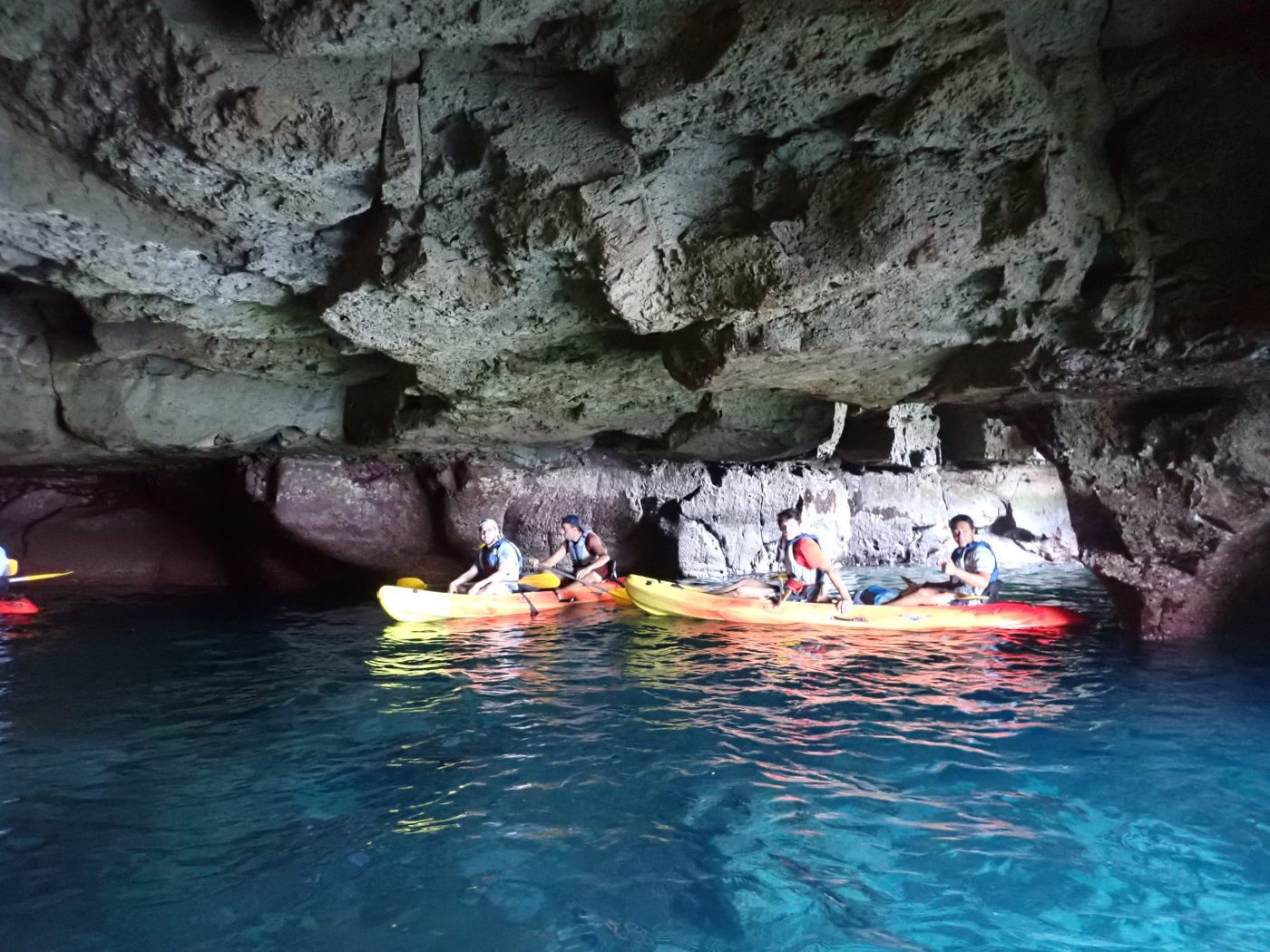
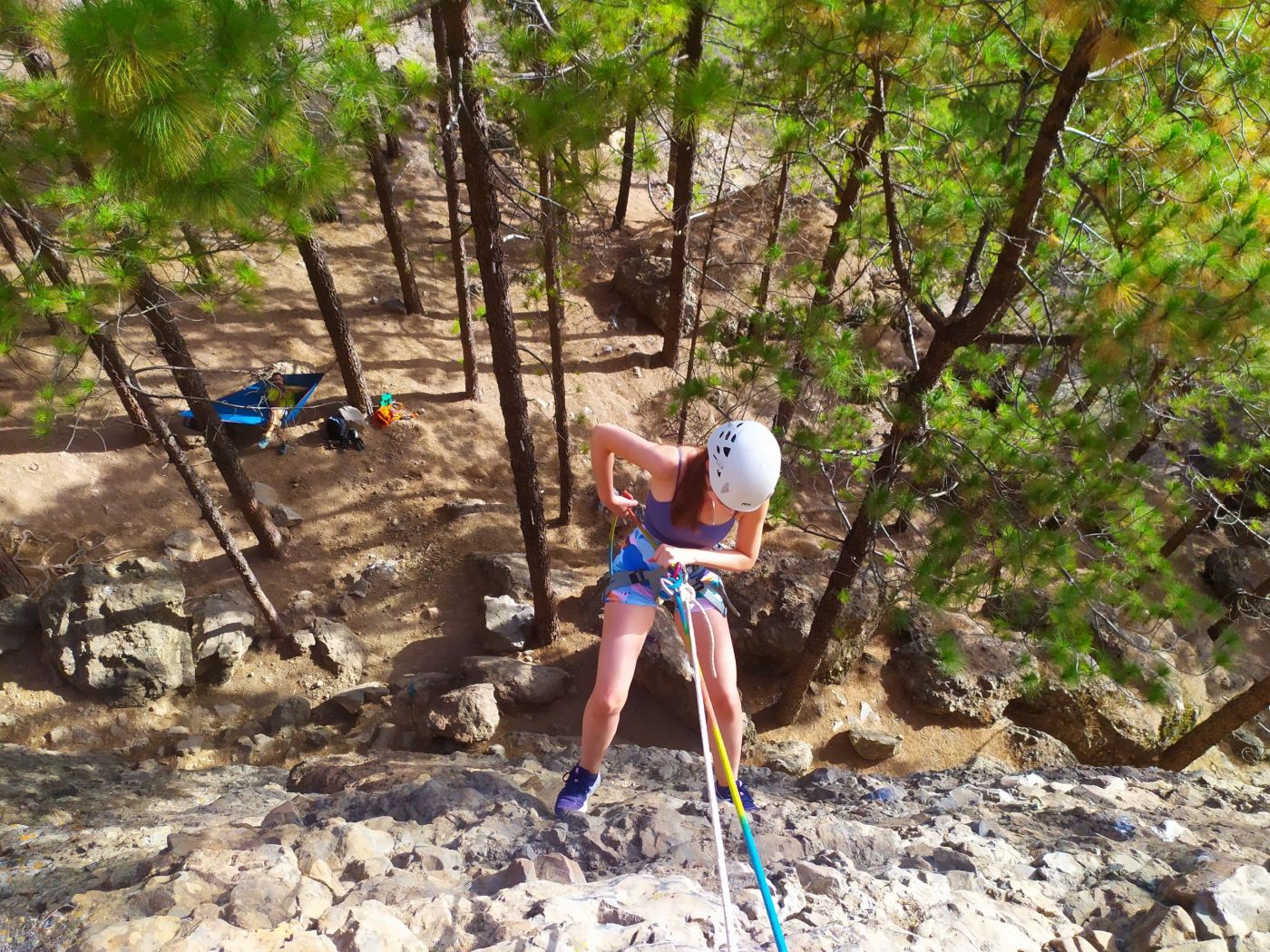
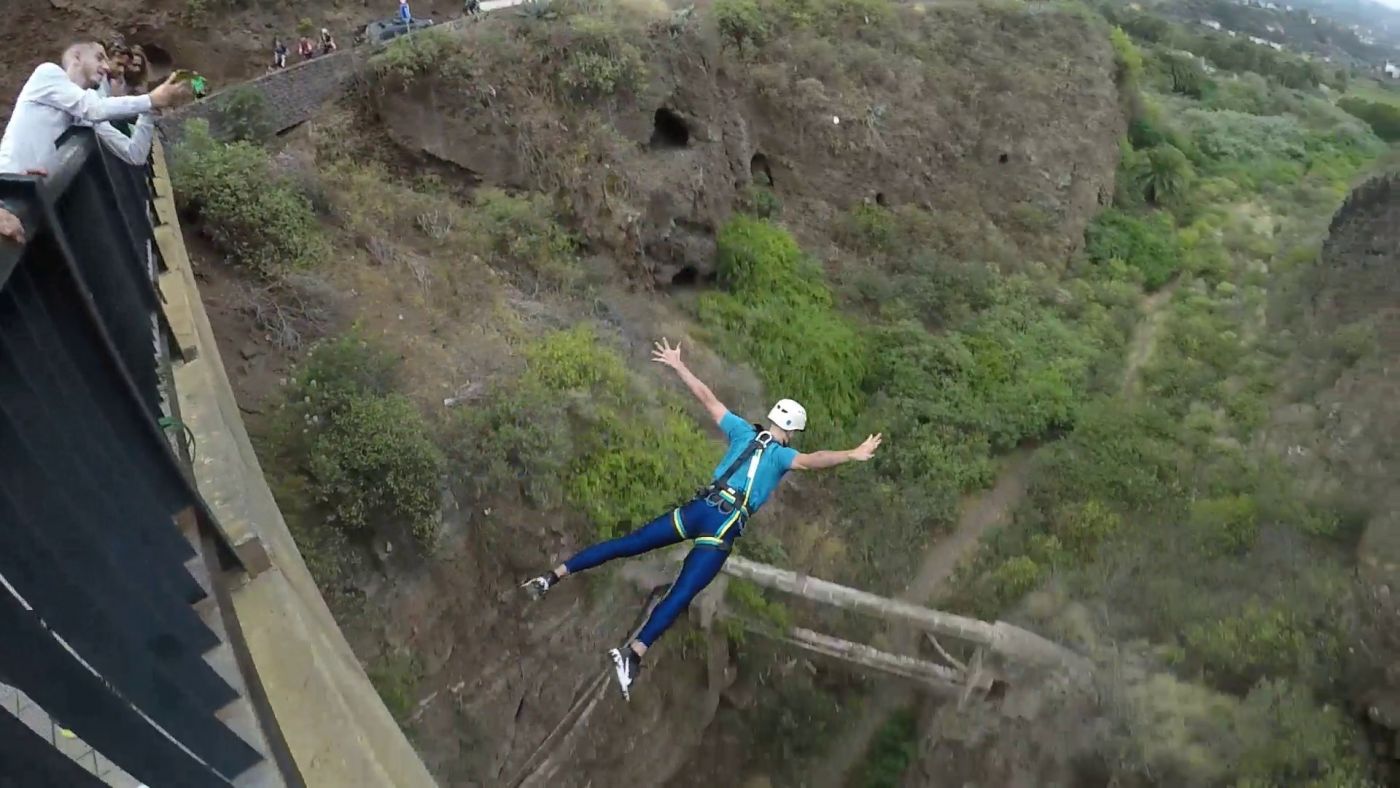
The south has warm, calm water almost all year, and the interior is a playground of volcanic rock. Kayaking through sea caves, coasteering along the Mogán cliffs, boat trips with snorkelling, climbing or bungee jumping: these are some of the activities you can book with local operators.
On the water

On land
What to eat
- Papas arrugadas with mojo. Small potatoes boiled in very salty water, served with red (spicy) and green (coriander or parsley) mojo sauces.
- Queso de flor de Guía. A protected-origin cheese of sheep’s milk curdled with thistle flowers. Try it on its own or with a little honey.
- Sancocho canario. Salted fish (usually wreckfish) with potatoes, sweet potato and a ball of gofio. A classic at Easter.
- Gofio. Flour made from toasted grain that turns up in stews, desserts and even ice cream.
- Bienmesabe. A cream of almonds, sugar, egg and lemon; the one from Tejeda is the most famous.
- Rum and wine. Rum from Arucas, honey rum and wines from the Gran Canaria appellation, grown on volcanic soil.
When to go and how long
Gran Canaria is a year-round destination. In the south, winter days are usually 20–24 °C and summer days 25–30 °C. The north is cooler and cloudier, especially in summer, and the summit can be cold from November to March. A few dates stand out: Carnival (February or March), almond blossom in the summit villages (January and February) and the Fiesta del Pino in Teror (September).
- 3 days: one day of beach and dunes in the south, one at the summit (Roque Nublo and Tejeda) and one in Las Palmas.
- 5 days: add the northwest (Gáldar, Cueva Pintada and Agaete) and a day of sea activities in Mogán.
- 7 days: add Teror and Arucas, the west coast as far as La Aldea and a morning at Bandama.
Where to stay
- Maspalomas, Playa del Inglés and Meloneras: the classic south. Sunshine almost guaranteed, plenty of choice and nightlife.
- Puerto Rico, Amadores and Mogán: quieter, with sheltered beaches and a good base for boat trips.
- Las Palmas: the city option. Las Canteras, restaurants and local life; in summer, cloudier mornings.
- Inland and north: rural houses in Tejeda, Agaete or Santa Brígida for peace, quiet and hiking trails.
Take it with you
Things to do on the island
Experiences in Gran Canaria
Plans on the island, with duration and price up front.
See all 19 experiences in Gran Canaria