Guide Tenerife
Whale watching in Tenerife: tours & species
Guide to whale and dolphin watching in Tenerife: Teno-Rasca marine area, pilot whales, Blue Boat certified tours, departure ports and tips.
Contents
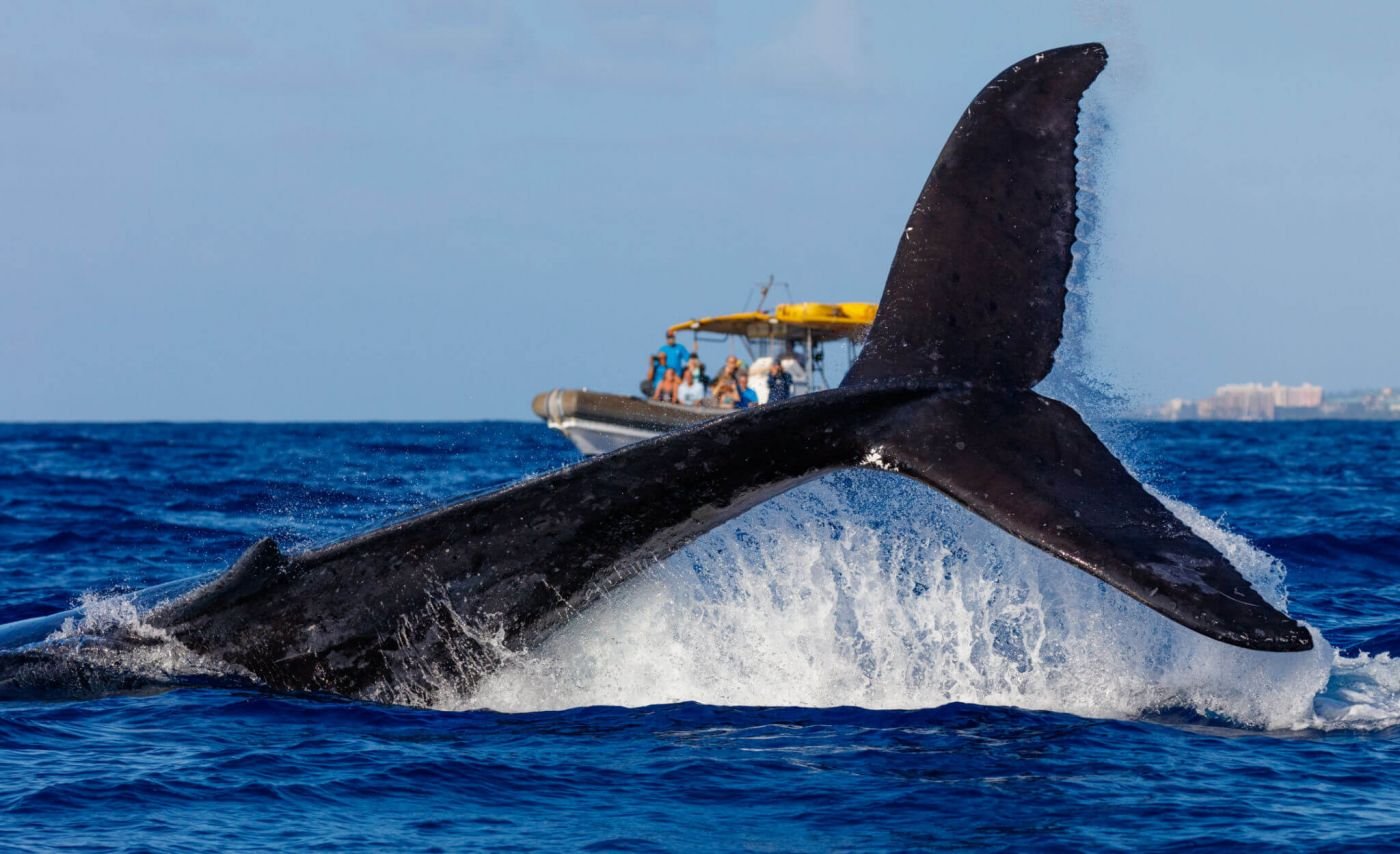
The marine strait separating Tenerife’s south-west coast from the island of La Gomera is home to one of the largest concentrations of free-ranging cetaceans in the Atlantic Ocean. Just three to four nautical miles from the shoreline, the seabed plunges abruptly into underwater trenches reaching depths of 1,500 to 2,000 metres. Sheltered from the strong north-easterly trade winds by Tenerife's high volcanic peaks, this deep-water corridor offers calm, warm seas where resident pods of short-finned pilot whales and bottlenose dolphins live year-round.
In January 2021, the Teno-Rasca marine area was designated Europe’s first Whale Heritage Site by the World Cetacean Alliance. This prestigious international certification honours marine locations that apply the highest standards of respectful wildlife watching, habitat protection and community-driven marine conservation.
Practical whale watching facts
Why Tenerife is a global cetacean sanctuary
The massive presence of marine mammals along this coast is not a seasonal stroke of luck, but a permanent biogeographical phenomenon. Deep oceanic currents collide with the submarine base of the island, creating nutrient-rich upwellings. At these abyss depths thrive massive populations of giant squid and flying squid—the staple food of pilot whales.
Unlike other famous whale watching destinations worldwide where sightings depend on brief seasonal migrations of a few weeks (such as Iceland or South Africa), Tenerife's resident pods never leave. Calves are born, nurse, hunt and grow up within this very channel twelve months a year, making sightings practically guaranteed on any sunny day.
The official Blue Boat regulations
To prevent heavy maritime traffic from stressing the animals or disrupting their breeding and daytime resting cycles, the Canary Islands Government and Spain's Ministry for the Ecological Transition enforce strict legal guidelines through the Blue Boat (Barco Azul) accreditation (recognised by a prominent yellow flag):
- 60-metre safety exclusion zone: Vessels must maintain a minimum distance of 60 metres from the animals. Only the whales or dolphins may freely choose to approach the boat.
- Speed restrictions: Within a 500-metre radius of any pod, vessel speed must not exceed 4 knots, avoiding sudden engine revving or abrupt course changes.
- Maximum 30-minute stay: A boat may not linger near the same group of cetaceans for longer than 30 minutes before moving away.
- Concentration limit: No more than three boats are allowed to watch the same family pod simultaneously.
- Strict ban on swimming and feeding: Jumping into the sea to swim with whales or dolphins, feeding them or producing underwater acoustic noise is illegal and heavily fined.
Resident and migratory species in Canary waters
While over 28 different cetacean species have been recorded passing through the archipelago, two species are the undisputed stars of everyday excursions:
-
Short-finned pilot whale (Globicephala macrorhynchus)
Recognisable by their bulbous foreheads, dark glossy skin and swept-back dorsal fins. They dive to depths beyond 800 metres at night to catch deep-sea squid, and spend daytime hours resting in calm surface family pods with their young calves.
-
Bottlenose dolphin (Tursiops truncatus)
The classic grey coastal dolphin. Highly inquisitive and agile, they frequently swim over to boats to leap across the bow wave and surf the wake of catamarans.
-
Atlantic spotted dolphin (Stenella frontalis)
Commonly encountered from spring through autumn in playful super-pods of fifty to over one hundred individuals, featuring pale spots that multiply with age.
-
Sperm whales and migratory baleen whales
During winter and spring months, giants such as sperm whales and Bryde's whales traverse the deep marine channel, occasionally revealing their high water blows against the horizon.
Departure ports and boat types
Excursions set sail from three main harbours in south Tenerife, each offering distinct coastal backdrops:
- Puerto Colón (Costa Adeje): The busiest marina and central hub with the highest frequency of departures. Reaches deep marine waters in barely 20 minutes from cast-off.
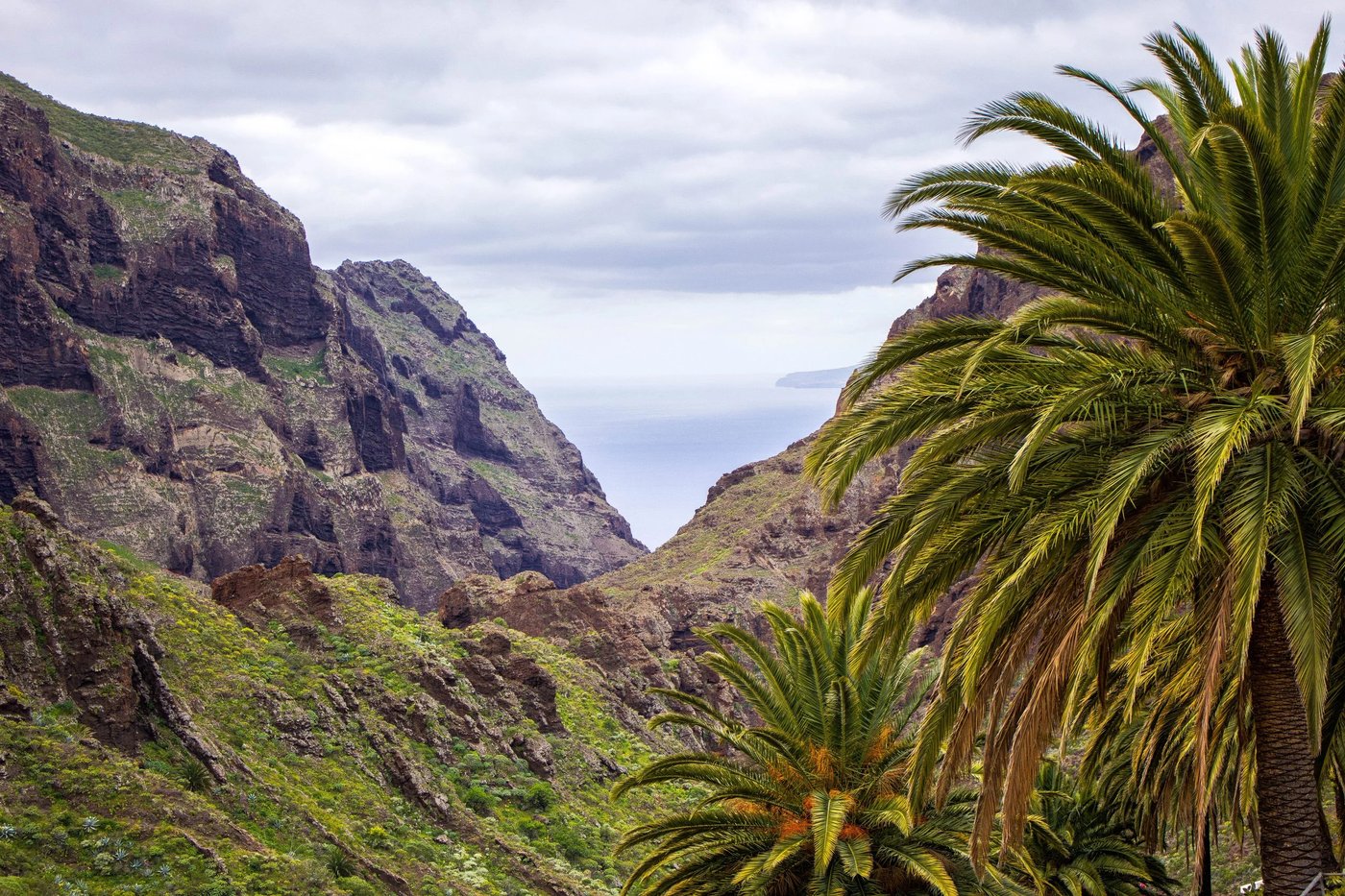
- Puerto de Los Gigantes: The best choice if you wish to combine whale sightings with sweeping views of the 600-metre vertical basalt cliffs and anchor for a swim in remote coves such as Masca.
- Los Cristianos harbour: Traditional boat tours navigating out towards the southern mouth of the channel towards La Gomera.
When selecting your tour, vessel design shapes the experience. Eco-catamarans sailing under canvas or with quiet hybrid engines minimise underwater engine disturbance and provide superior deck stability against ocean swell. Small-group sailing yachts (capped at 10 to 12 guests) offer personalised attention and insightful commentary from marine biologists.
Recommended catamaran tours in Costa Adeje


Practical seasickness tips and wildlife photography
- Seasickness prevention: Even though south Tenerife's waters are shielded from the main winds, Atlantic swells can trigger motion sickness. Take dimenhydrinate medication 30 to 45 minutes before stepping on board; once nausea begins, medication is rarely effective.
- Deck positioning: Keep your eyes focused on the distant horizon and remain outside in the open air near the boat's centre of gravity. Avoid looking down at smartphone screens or entering indoor saloon cabins.
- Camera settings: Set your camera to a fast shutter speed of at least 1/1000s or 1/1600s to freeze leaping dolphins and breaching whales without blur. A 70-200mm zoom lens is ideal; never swap camera lenses on deck due to wind-blown salt spray.
- Marine sun protection: Ocean glare doubles ultraviolet radiation. Bring polarised sunglasses (which cut water reflections to spot underwater silhouettes), a secure hat strap and coral-friendly biodegradable sunscreen.
Things to do on the island
Experiences in Tenerife
Plans on the island, with duration and price up front.
See all 72 experiences in Tenerife